
Understanding Raised Floor Systems: A Comprehensive Overview
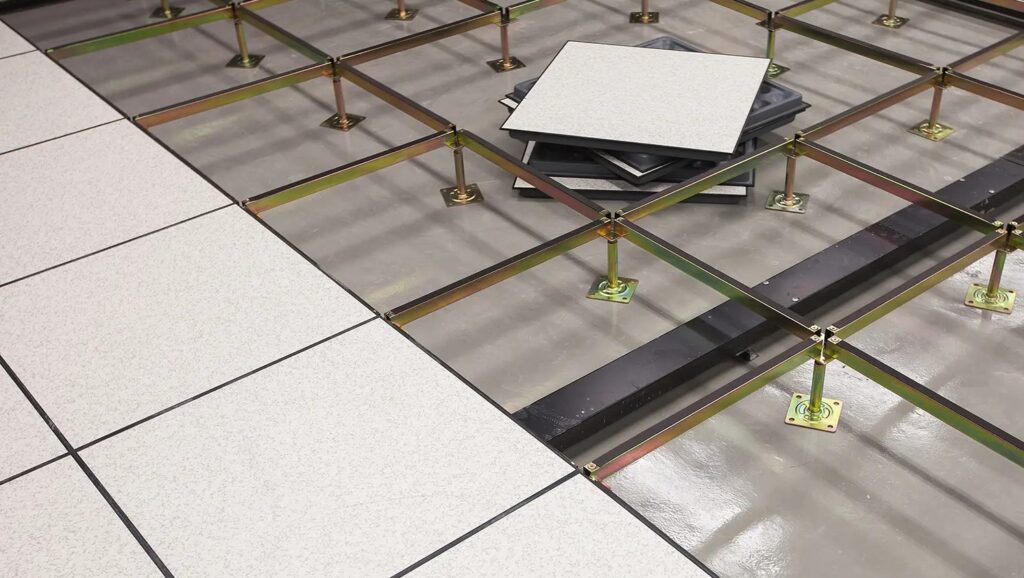
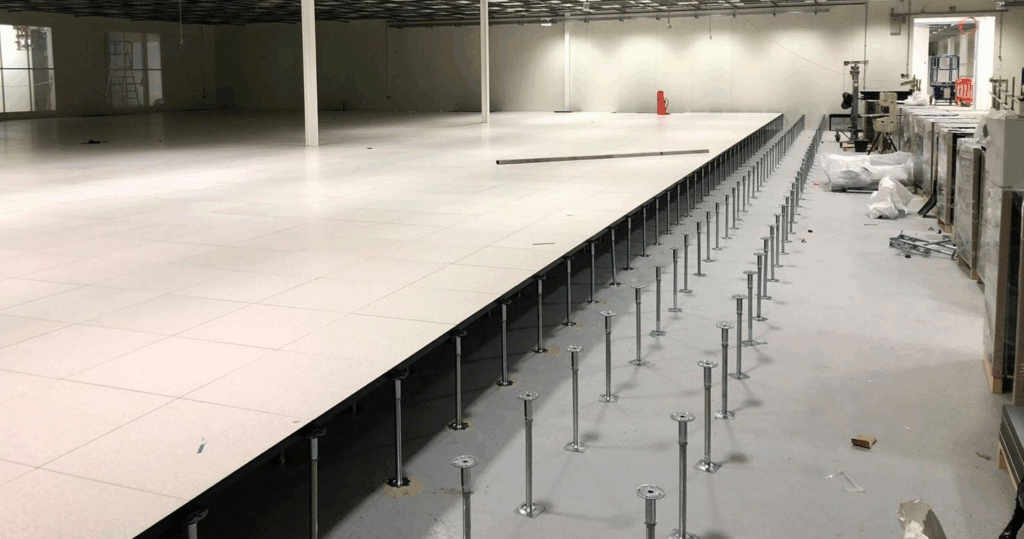
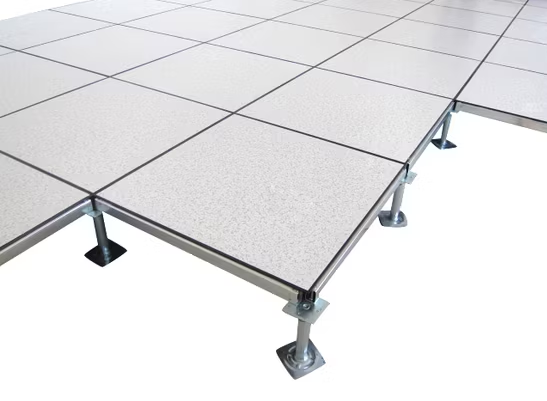
Raised floor systems, also known as access floors, are commonly used worldwide—often without people realizing it. These systems consist of elevated floor panels supported by a grid of adjustable vertical pedestals anchored to the subfloor. The space between the panels and the subfloor can range from under 10 centimeters to more than a meter.
Their popularity stems from their practical advantages: they allow easy routing of cables, wiring, and HVAC ducts, while also enhancing a building’s temperature control efficiency. In this guide, we’ll explore the key benefits of raised floors, important considerations for builders and homeowners, and an overview of the installation process.
Key Benefits of Raised Flooring
- Easy Access for Infrastructure
One of the primary advantages of raised floors is the ability to run and manage infrastructure—like cables, electrical wiring, pipes, and air ducts—beneath the surface. This setup enables quick changes, upgrades, or maintenance without demolition. Panels can be temporarily lifted for immediate access, making it ideal for commercial spaces with modular layouts.
- Enhanced Thermal Efficiency
The space beneath raised floors can also improve HVAC performance. In warmer months, cool air circulates through the gap and distributes evenly throughout the space. In colder conditions, heated air rises from the underfloor cavity, offering efficient room heating.
- Ideal for Technical Environments
Data centers, telecommunications facilities, laboratories, control rooms, and IT-heavy environments benefit significantly from raised floors. Perforated panels can direct conditioned air upward into rooms that require targeted cooling, aligning well with the airflow needs of high-performance equipment.
- Clean and Organized Aesthetic
Compared to alternatives like suspended ceilings or surface trunking, access flooring keeps wiring and piping neatly hidden. This results in a cleaner, more organized space without overhead clutter or wall-mounted cable runs.
- Design Flexibility and Customization
Raised floor systems support nearly any flooring finish—carpet, vinyl, stone, tile, laminate, linoleum, or rubber. Their modular nature makes installation quick and reversible, and their height can be customized down to the centimeter. This flexibility supports a range of functional, aesthetic, and budgetary requirements.
Important Considerations When Choosing Raised Flooring
Before installing a raised floor system, it’s essential to address several key planning factors:
- Subfloor Conditions: Determine whether the subfloor needs sealing and assess for any moisture or contamination risks. Structural integrity, surface smoothness, and alkalinity levels should also be evaluated.
- Local Conditions: Consider any environmental or regulatory requirements for grounding the floor system.
- Door Thresholds: Assess how raised flooring will align with existing or planned door thresholds to avoid clearance issues.
- Safety Compliance: Review any safety regulations, such as fire suppression or access requirements, that could affect design and materials.
- Load-Bearing Requirements: Analyze expected loads, including stationary equipment, rolling carts, and foot traffic, to ensure the system’s strength and durability.
Installing a Raised Floor System
The standard installation process involves several steps:
- Preparation: Ensure all preliminary interior work (walls, ceilings, wiring, plumbing) is completed. The subfloor must be dry, clean, and ready for installation.
- Initial Checks: Measure the room dimensions and confirm them against the layout plan. Resolve any discrepancies before proceeding.
- Marking & Cleaning: Mark wall heights to indicate the raised floor level and clean the surface thoroughly to remove dust and debris.
- Installing Pedestals & Panels: Secure pedestals to the subfloor at regular intervals using epoxy or adhesive. Once the grid is in place, affix floor panels on top.
- Final Leveling: Adjust pedestal heights as needed to ensure the entire floor is level and stable.
Conclusion
Raised floor systems offer a versatile, efficient, and clean solution for both residential and commercial buildings. By allowing for easy infrastructure access and improved climate control, they support modern construction needs—particularly in environments with high technical demands. With customizable heights and finish options, they also offer design freedom and long-term practicality.
