
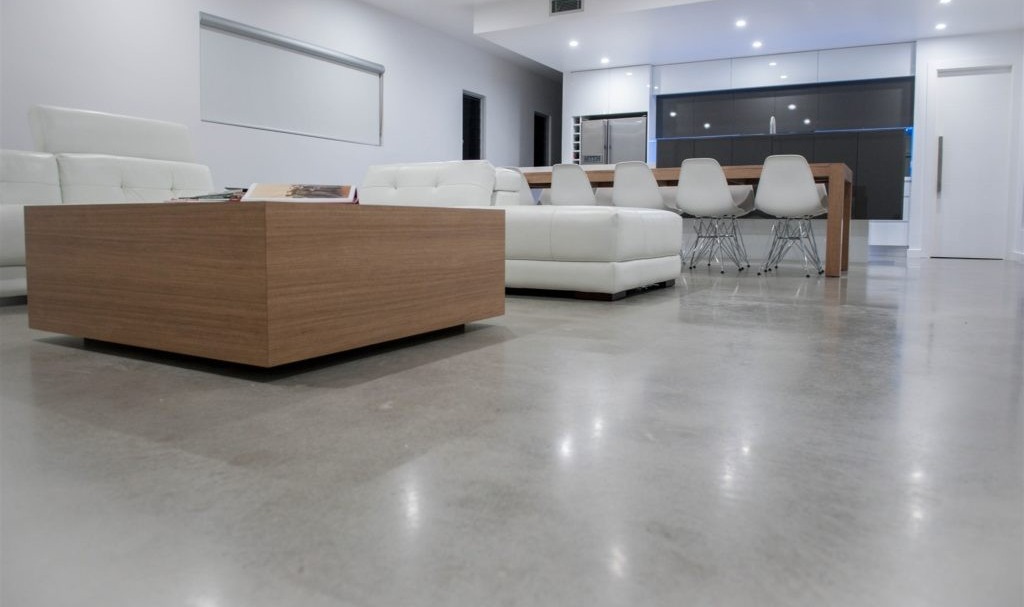
Concrete polishing is a mechanical process that smooths and refines concrete surfaces to achieve a high-gloss, durable finish. This involves using progressively finer diamond abrasives to grind away imperfections and bring out the natural beauty of the concrete. The polished result offers both aesthetic appeal and long-term performance, making it a preferred flooring solution in various settings.
Originally developed for industrial and commercial use, concrete polishing has expanded into residential applications due to its modern appearance, strength, and low maintenance. It enhances not only visual appeal but also functionality by improving light reflectivity and reducing upkeep.
Techniques in Concrete Polishing
There are several techniques used in concrete polishing, including:
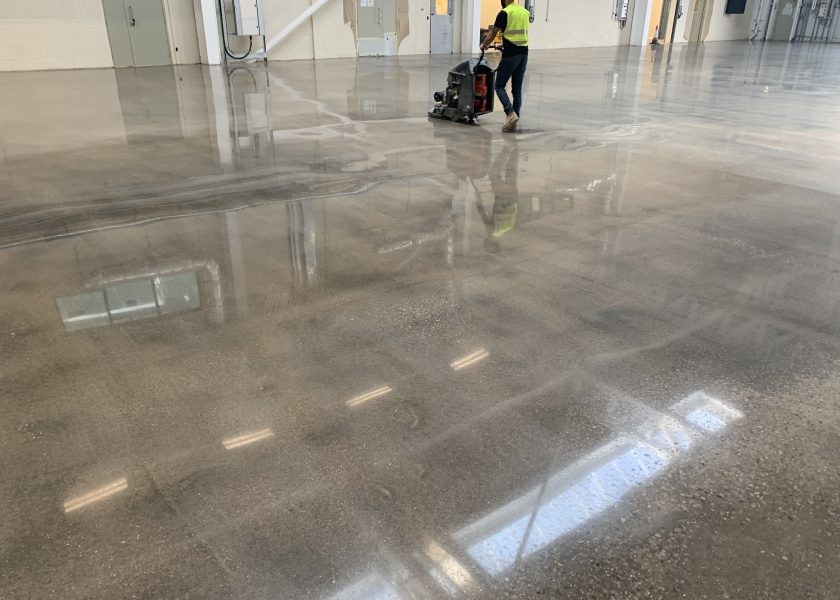
- Dry Polishing: Utilizes mechanical grinders without water, often with dust-containment systems.
- Wet Polishing: Involves the use of water to cool down abrasives and eliminate dust.
- Chemical Polishing: Incorporates chemical hardeners to strengthen the surface and enhance shine.
Each method is selected based on the floor’s condition, desired gloss level, environmental factors, and specific application requirements. These options provide flexibility for use across commercial, residential, and industrial environments.
Where is Concrete Polishing Used?
Concrete polishing is widely applied across various industries and settings. Its combination of durability, style, and ease of maintenance makes it ideal for:
- Retail Stores: High foot traffic areas benefit from polished concrete’s sleek, reflective finish, which enhances lighting and reduces energy consumption while withstanding daily wear and tear.
- Office Buildings: Offices require professional-looking floors that are easy to maintain. Polished concrete offers a clean, modern look while improving light efficiency and minimizing upkeep.
- Industrial Facilities: In settings with heavy machinery and foot traffic, polished concrete provides a tough, stain-resistant surface that stands up to impact and abrasion.
- Residential Homes: Increasingly used in kitchens, living rooms, and hallways, polished concrete offers a contemporary aesthetic combined with durability and low maintenance.
- Basements: Often subject to moisture, basements benefit from the water resistance and easy cleaning of polished concrete, which also improves the usability and appearance of the space.
Benefits of Concrete Polishing
Concrete polishing delivers a wide range of advantages, including:
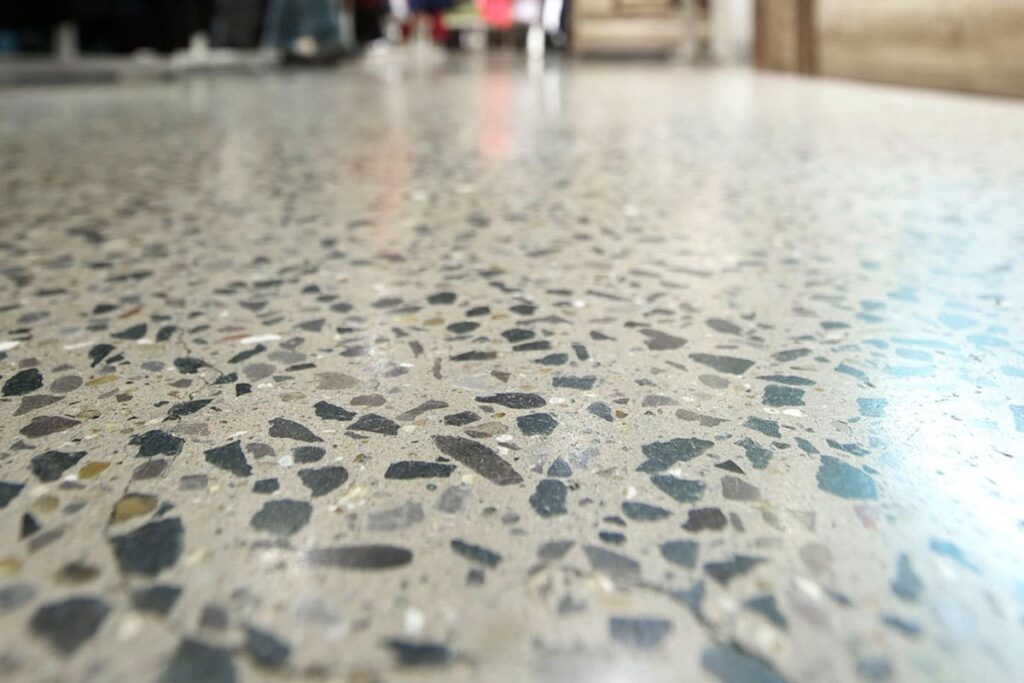
- Durability: Polished concrete resists wear, scratches, and heavy impact, making it suitable for high-traffic areas and demanding environments.
- Low Maintenance: The smooth, sealed surface requires only routine sweeping and occasional damp mopping. There’s no need for waxing or frequent sealing.
- Cost Efficiency: Although the initial investment may be higher, the longevity and minimal maintenance costs make it an economical flooring option over time.
- Aesthetic Versatility: Polished concrete offers a clean, contemporary look that can be customized with stains, dyes, or patterns to suit different design styles.
- Light Reflectivity: The reflective finish enhances natural and artificial lighting, reducing the need for additional light sources and lowering energy bills.
- Improved Air Quality: Unlike carpet or other porous materials, polished concrete doesn’t harbor allergens, dust, or bacteria, contributing to a healthier indoor environment.
- Stain and Slip Resistance: With proper sealing, polished concrete resists spills and offers slip-resistant properties, boosting safety in both homes and workplaces.
- Sustainability: Polished concrete often utilizes the existing slab, reducing the need for additional materials and supporting eco-friendly building practices.
